

Progress, Gaps and Opportunities: What 5 Years of DEI and ESG Data Tell Us
Download the summary version of this report
For the past five years, we have surveyed BDC Capital-supported general partners (GP) and portfolio companies. The survey tracks environmental, social and governance (ESG) and diversity, equity and inclusion (DEI) practices and progress across Canada’s venture capital and private equity (VC/PE) ecosystem and sheds light on the gaps that remain.
In that time, the global business context has become increasingly complex. Trade uncertainty, accelerating climate change, rapid technological change and demographic shifts are reshaping the economy. Simultaneously, investor sentiment toward ESG and DEI has evolved, prompting renewed discussion about their importance. In this context, BDC has maintained a clear position: diverse teams that provide a variety of perspectives, effective governance and thoughtful management of environmental and social risks remain important contributors to resilience and long-term value protection and creation.
This year’s results show progress in some areas, particularly governance, alongside persistent gaps in women and minority groups representation, climate practices and survey participation.
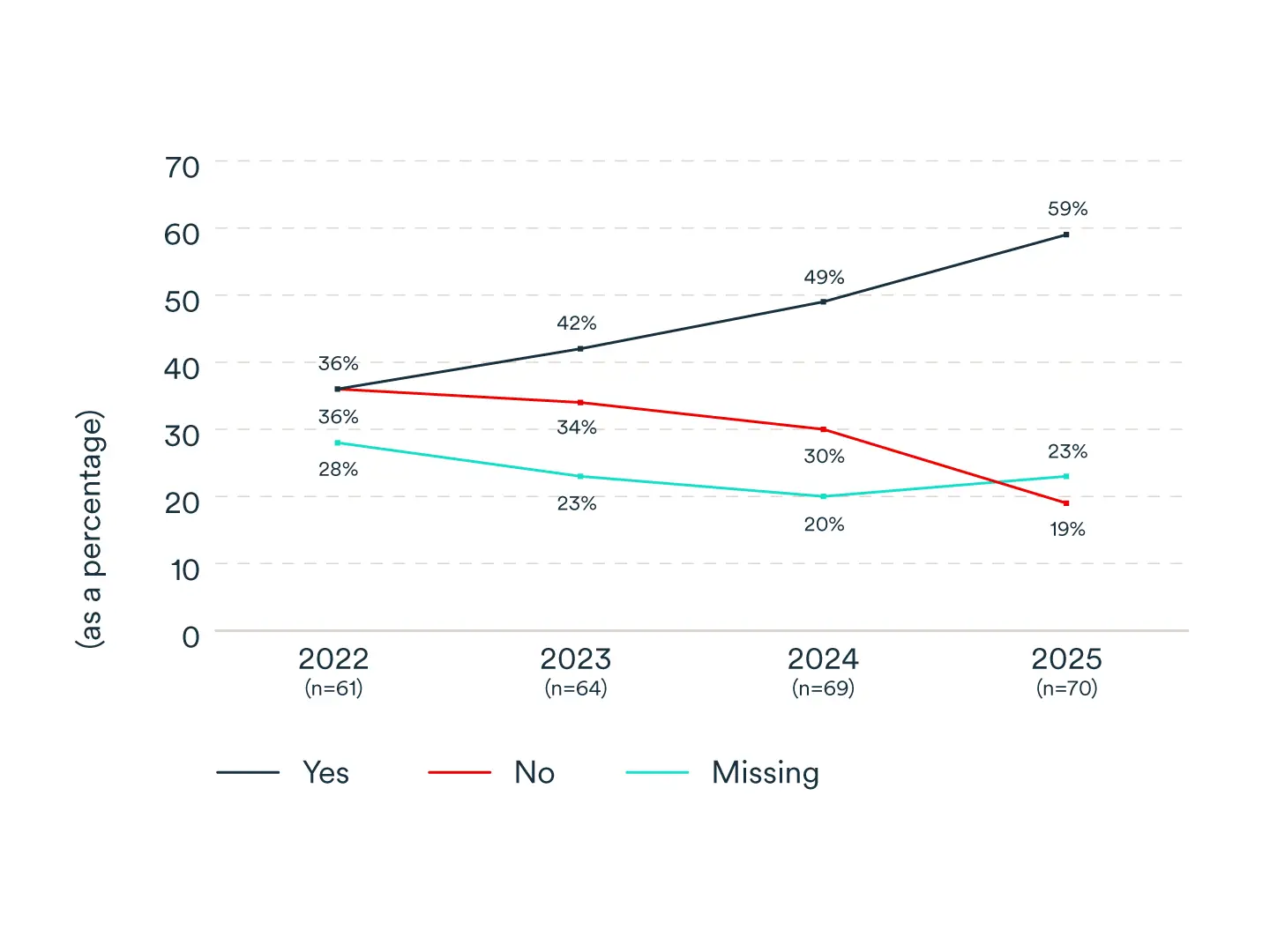
Governance practices continue to gain ground as investors and companies take a more structured ESG and DEI approach. Some of the strongest improvements in this year’s survey were in whistleblower protections, cybersecurity oversight and ESG training.
These findings also remind us that progress is rarely linear. Representation remains uneven, particularly in leadership and ownership positions, and climate-related practices continue to lag behind more established governance measures. While organizations demonstrate growing intent to advance in several areas, the results have yet to materialize.
The findings also suggest that there is a difference between representation and parity. While many organizations have taken steps to increase diversity, achieving more balanced representation in leadership and investment decision-making roles remains a major longer-term opportunity. Progress will ultimately be measured not by representation alone, but by greater parity and inclusion in leadership and investment decision-making roles.
Over the past five years, we’ve also seen that investor expectations can be a powerful driver of change. Many respondents cited limited partners (LPs), investors and other stakeholders as a key driver for adopting ESG and DEI practices. When integrated thoughtfully, these practices can strengthen governance, improve resilience, support risk management and contribute to long-term growth.
Still, measurement is not enough. What matters most is how this information becomes action.
Through our investments in cleantech and climate tech, our support for women entrepreneurs and our dedicated initiatives for Black and Indigenous entrepreneurs, including a forthcoming Indigenous entrepreneur fund, we continue to work toward a more sustainable and inclusive future. We believe that encouraging strong ESG and DEI practices is an important part of protecting and creating long-term value across portfolios.
The Canadian venture capital industry has taken meaningful strides. Sustaining that momentum will require commitment from investors, entrepreneurs and partners alike. Together, we can help build companies that are better positioned to grow, compete and create long-term value for Canada.
Improving our methodology
This report is based on survey responses collected from BDC Capital portfolio GPs and companies between December 2025 and May 2026.1
This year's publication uses an updated methodology designed to improve the consistency and accuracy of the data. As a result, some findings may not be directly comparable with previous editions. Historical data has been adjusted using the updated methodology to support five-year comparisons.
As with any survey, the quality of the findings depends on participation. Response rates varied significantly across sections and questions, and non-response rates averaged approximately 30% for GP responses. Higher participation helps generate more representative results and supports stronger trend analysis over time.
A total of 82 GPs participated, including 70 BDC-backed GPs and 12 internal BDC teams. While 1,399 portfolio companies were eligible to complete the questionnaire, sample sizes ranged from 201 to 515 responding companies. Based on the total eligible population, the estimated margin of error ranges from ±3.4% to ±6.4% for portfolio company data.
Notably, several GP measures had high levels of non-response. As a result, some apparent changes over time may be driven by differences in participation rather than actual changes in ESG or DEI practices. These findings should therefore be interpreted as directional rather than definitive.
Terminology and definitions are the same as the 2025 version of this report.
DEI metrics in Canada’s VC/PE ecosystem
Many GPs see business value in DEI
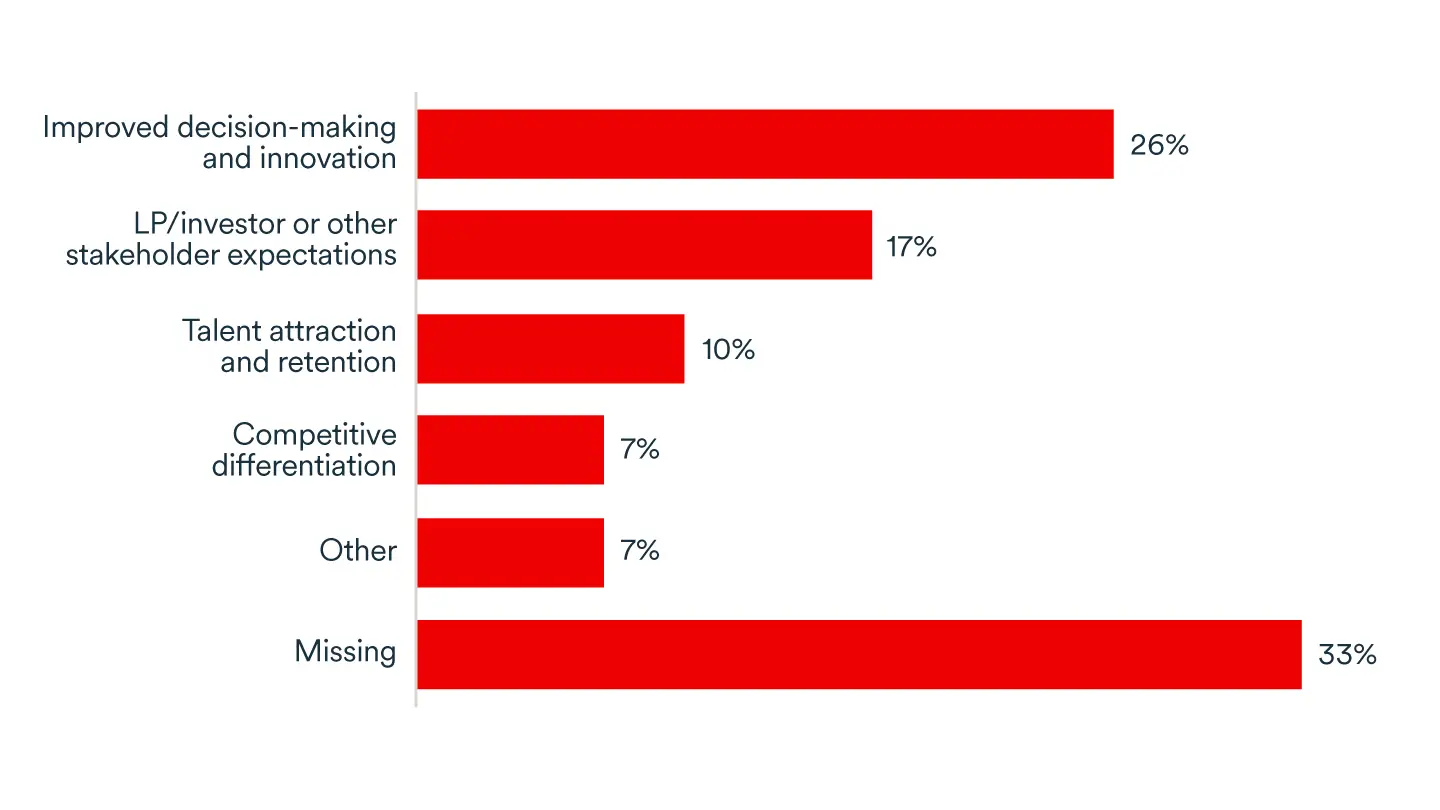
Among participating GPs, many identified improved decision-making and innovation as important reasons for adopting DEI practices. Investor and stakeholder expectations also remain an important driver, particularly for smaller firms. This suggests that both business value and market expectations continue to influence adoption.
However, missing information limits the conclusions we can draw for GPs in particular. Rising non-response rates makes it difficult to determine whether some apparent declines reflect statistically significant changes in representation or simply less complete reporting.
Figure 1: Impact of adopting DEI for GPs
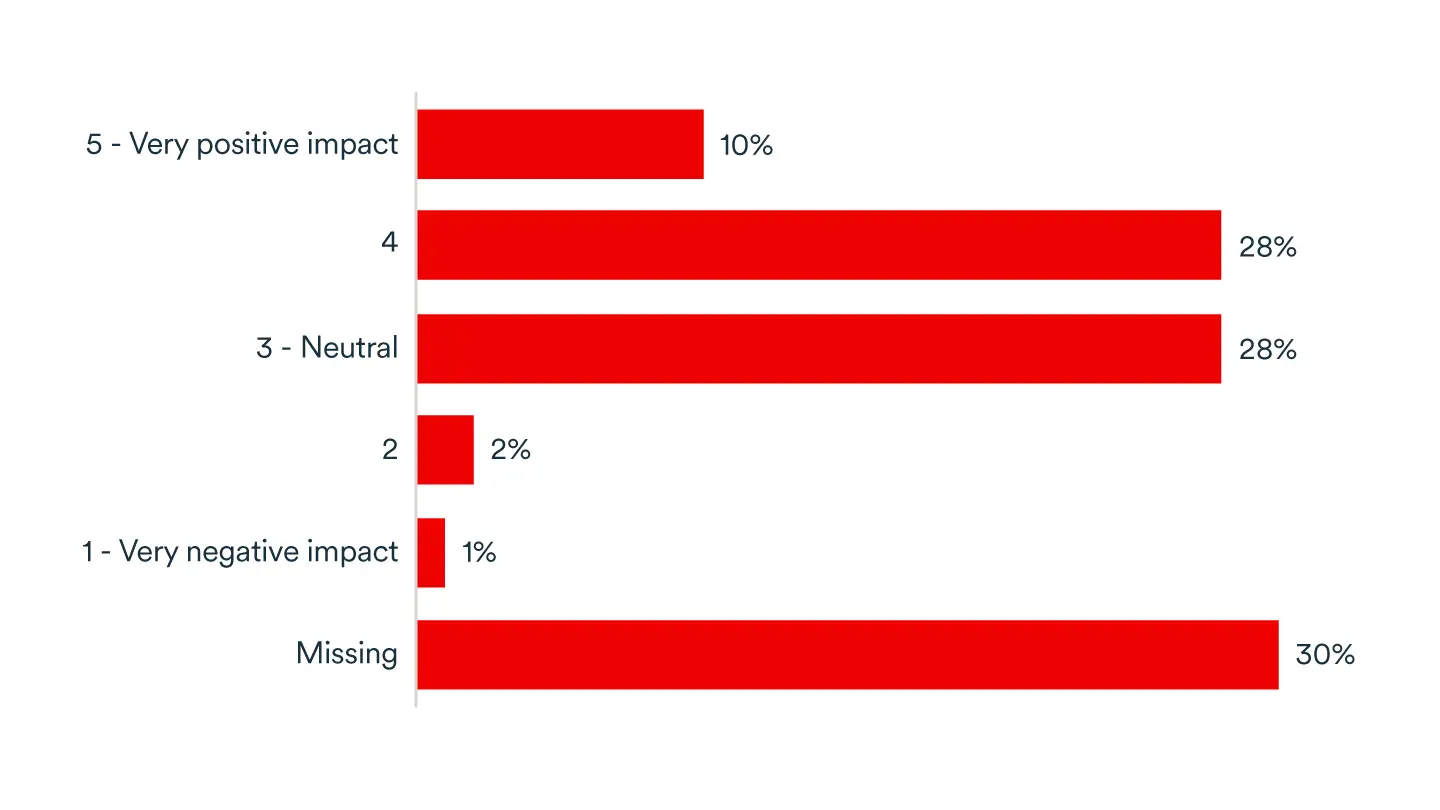
Figure 2: GPs’ primary reasons to engage in DEI practices
Adoption of DEI practices continues to grow
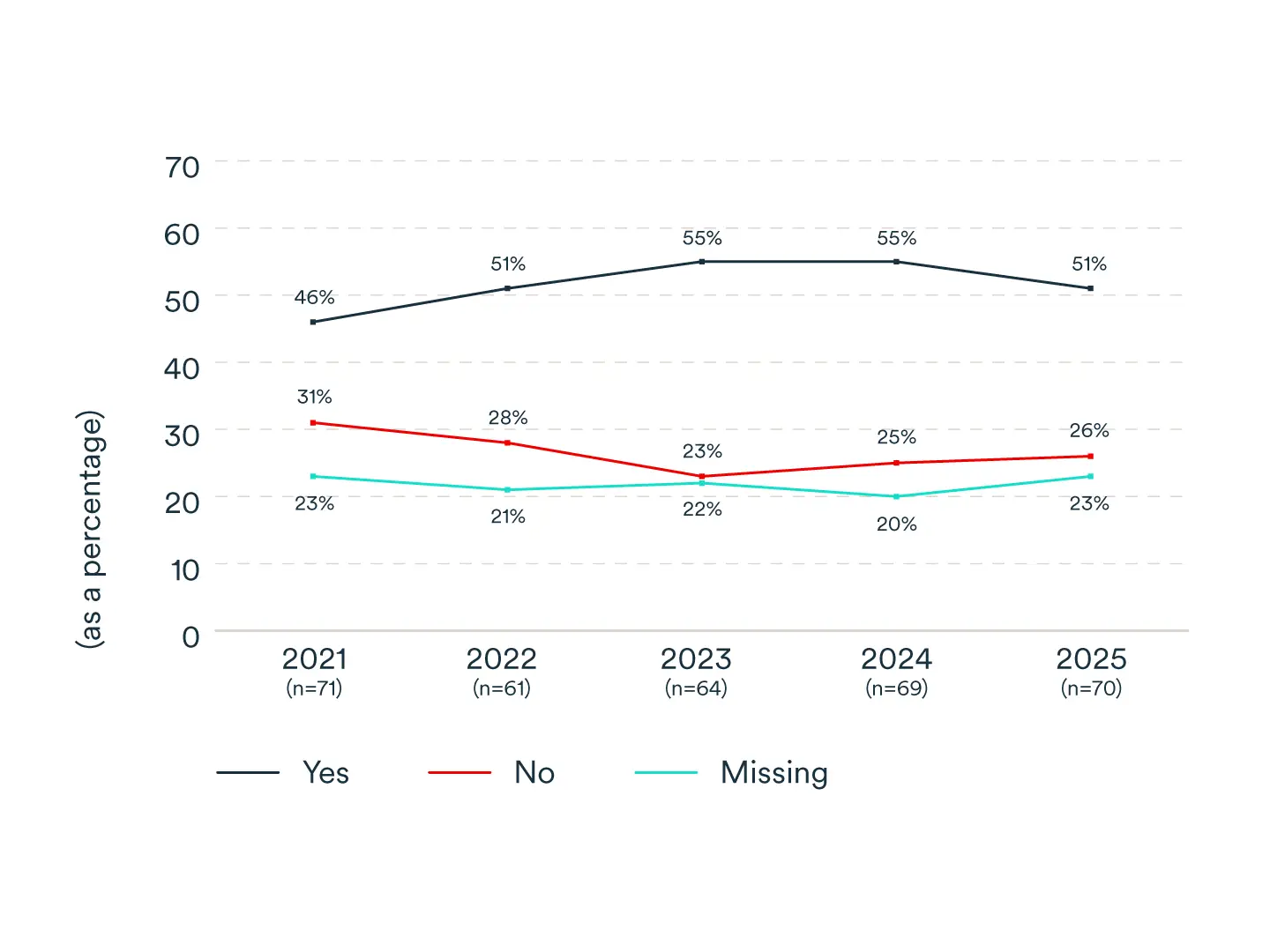
Just over half of participating GPs reported having a DEI or workplace-representation strategy. Nearly two-thirds (63%) have introduced measures to reduce bias in hiring, while 54% incorporate DEI questions in their due diligence. Among the GPs that answered our questionnaire, 61% sought diverse speakers for firm events, and 40% conducted employee engagement surveys, the highest level recorded to date.
Figure 3: GPs that have an organizational DEI or workplace representation related strategy
Talent attraction is the strongest driver of DEI adoption for portfolio companies
Talent attraction and retention is the main reason portfolio companies engage in DEI practices (42%), with improved decision-making and innovation a close second (39%).
These findings suggest that companies primarily view DEI as a business and workforce strategy, rather than a response to investor expectations. Only 15% identified investor or stakeholder expectations as their primary driver for adopting DEI practices.
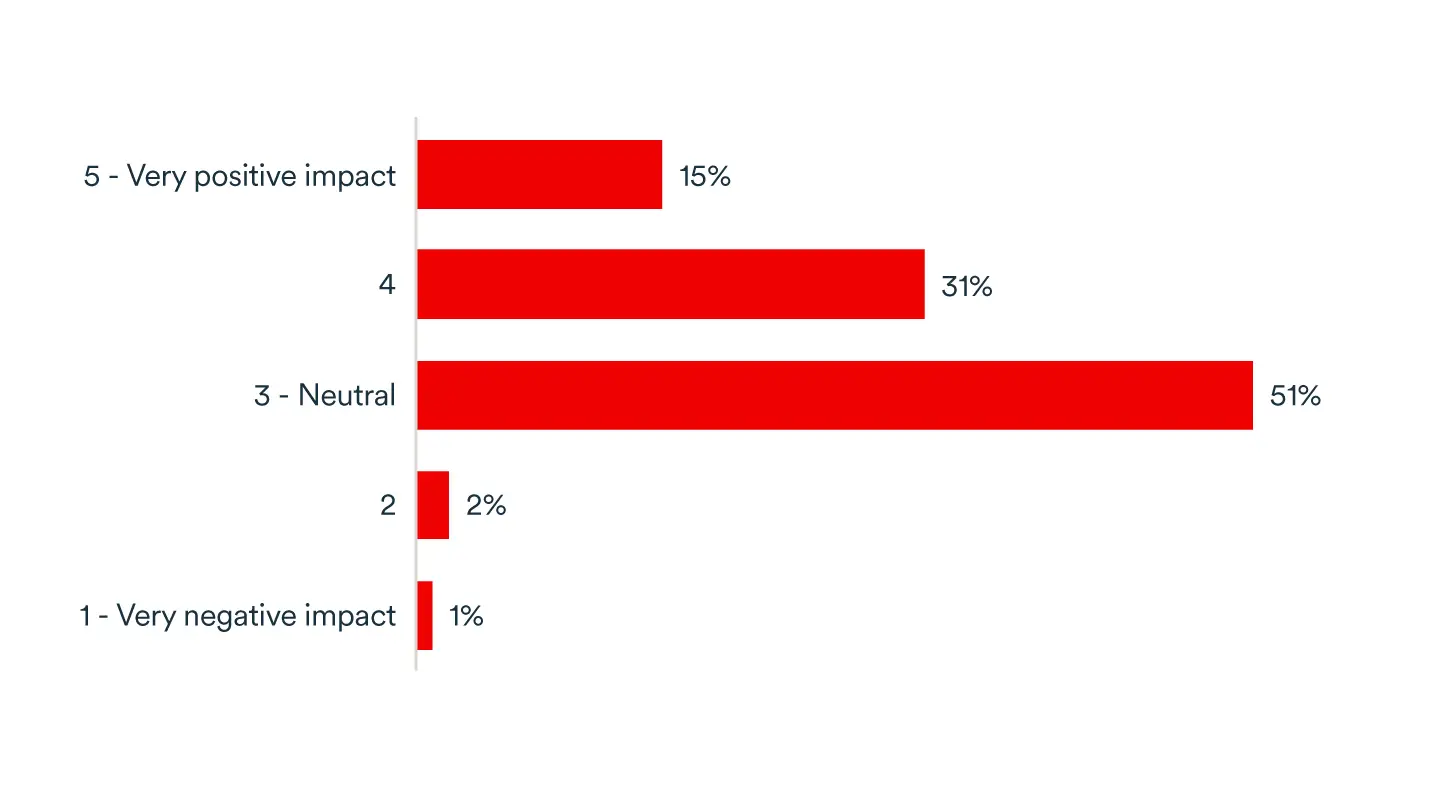
In fact, portfolio companies have a mixed outlook on DEI. While half of them said the impact was neutral, a significant number said it was either positive (31%) or very positive (15%).
Figure 4: Portfolio companies’ primary reasons to engage in DEI practices
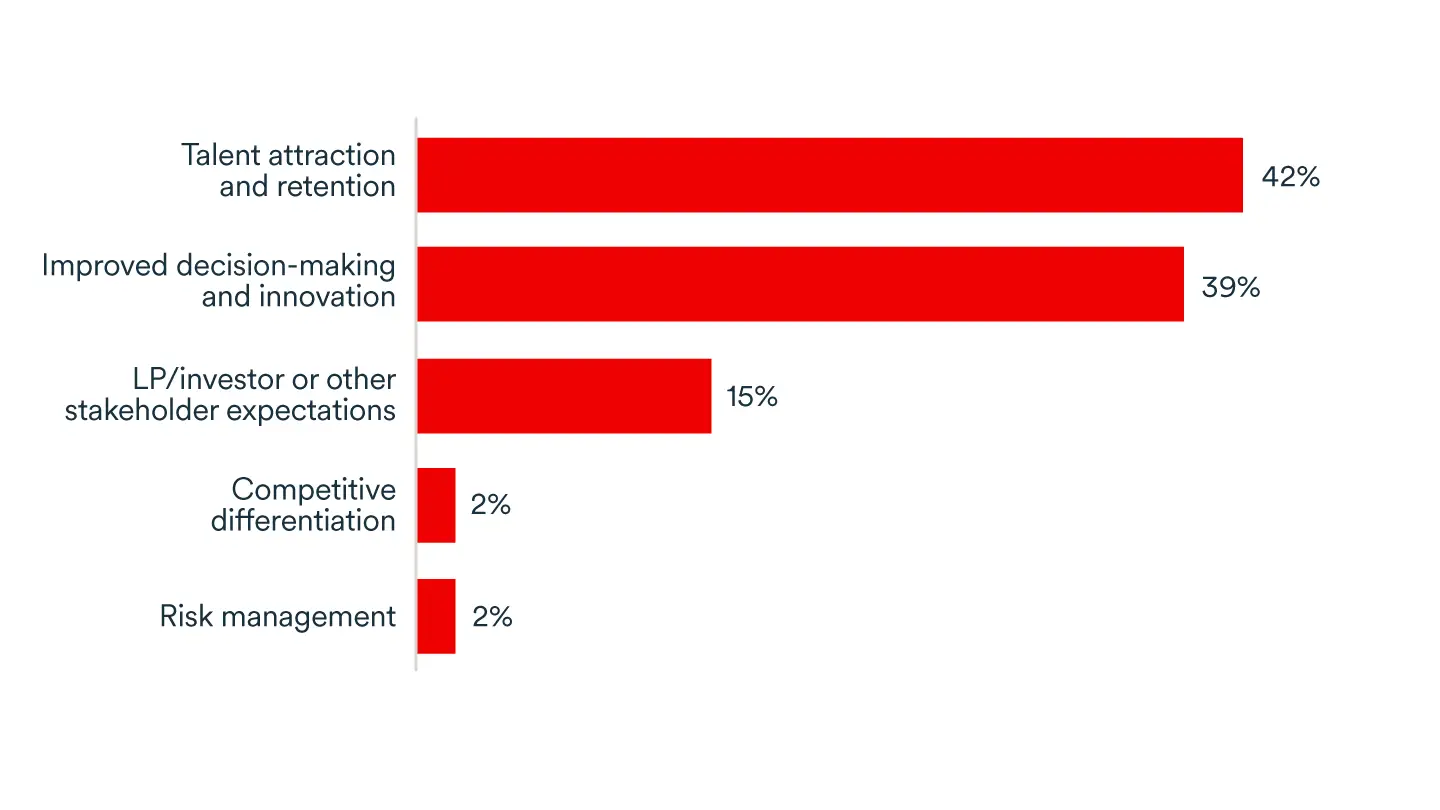
Figure 5: Impact of adopting DEI practices in portfolio companies
Representation narrows in leadership roles
Almost all the VC-backed companies in our portfolio have women (95%) or visible minorities in their ranks.
Unfortunately, that broad diversity across the organization diminishes for decision-making roles.
Only 24% of portfolio companies reported that women make up half or more of their management team. This proportion was higher among life sciences companies (33%) and niche portfolio companies, which operate in specialized sectors outside the report’s main industry categories (30%).
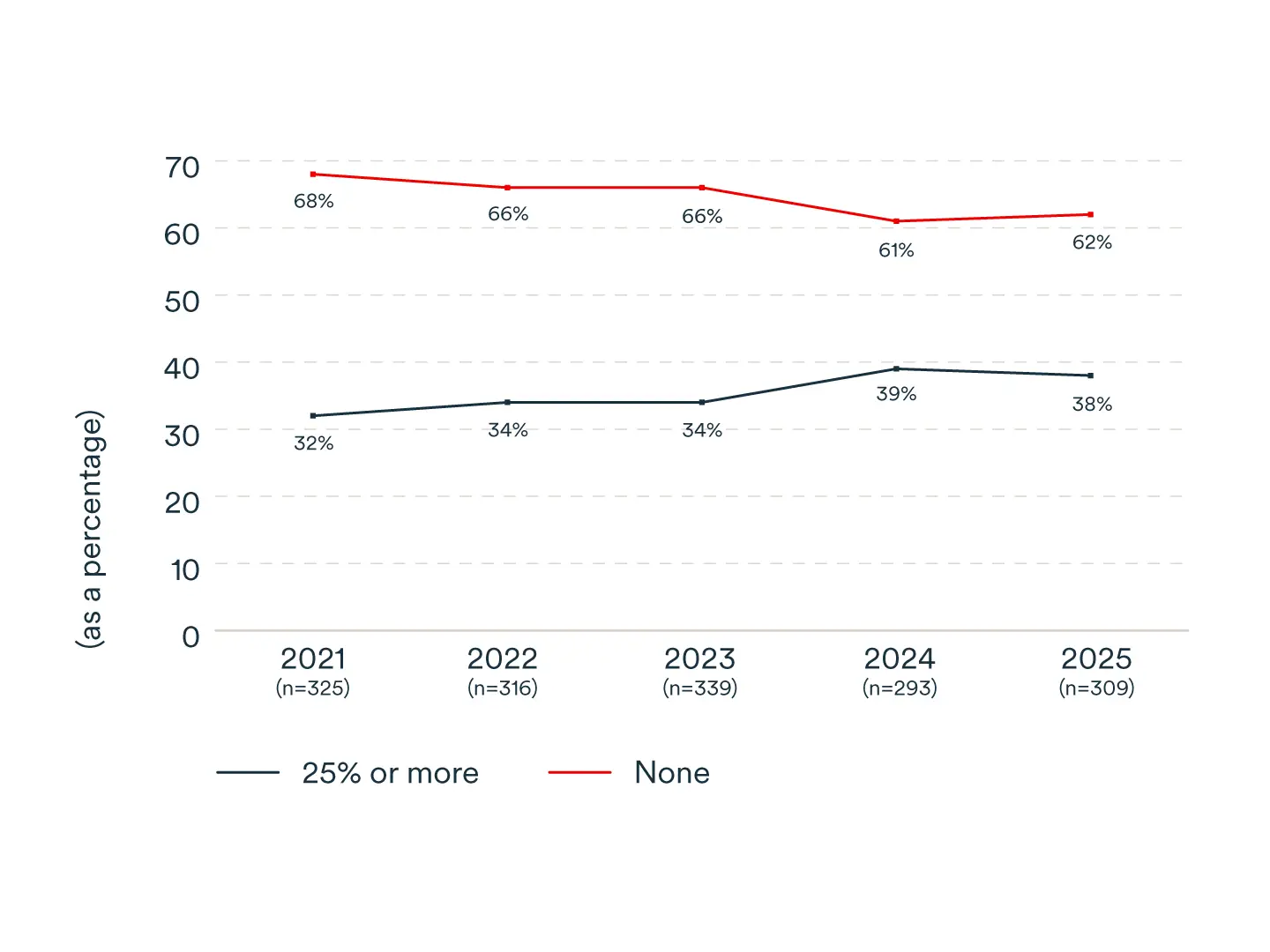
Meanwhile, 43% of portfolio companies reported that members of a visible minority represent 25% or more of management. Indigenous representation in management remained limited, with 5% of portfolio companies reporting one or more Indigenous person in a management role, down from a high of 8% in 2024.
Representation remains uneven for GPs
At the leadership level, majority-women and visible minority ownership and investment committees remain relatively uncommon, but they appear to be rising since we first started this survey 5 years ago. The same cannot be said of Indigenous representation in GPs, which remains very low among all staff.
| GPs | 2021 | 2025 |
|---|---|---|
| Women represent 50% or more of ownership | 12% | 17% |
| Women represent 50% or more of investment committee | 15% | 17% |
| Visible minorities represent 25% or more of ownership | 23% | 27% |
| Visible minorities represent 25% or more of investment committee | 25% | 34% |
| One Indigenous person or more in the ranks | 4% | 2% |
Board diversity is slowly moving in the right direction
The share of portfolio companies where women account for half, or more, of board members increased from 11% in 2021 to 15% this year. While representation of women and visible minorities on boards has generally trended upward, board leadership remains less diverse than the broader workforce.
Also, 38% of portfolio companies reported that visible minorities hold 25% or more of board seats, close to the top of the range seen in recent years.
Figure 6: Portfolio companies with 50% or more women on the board of directors (2021-2025)
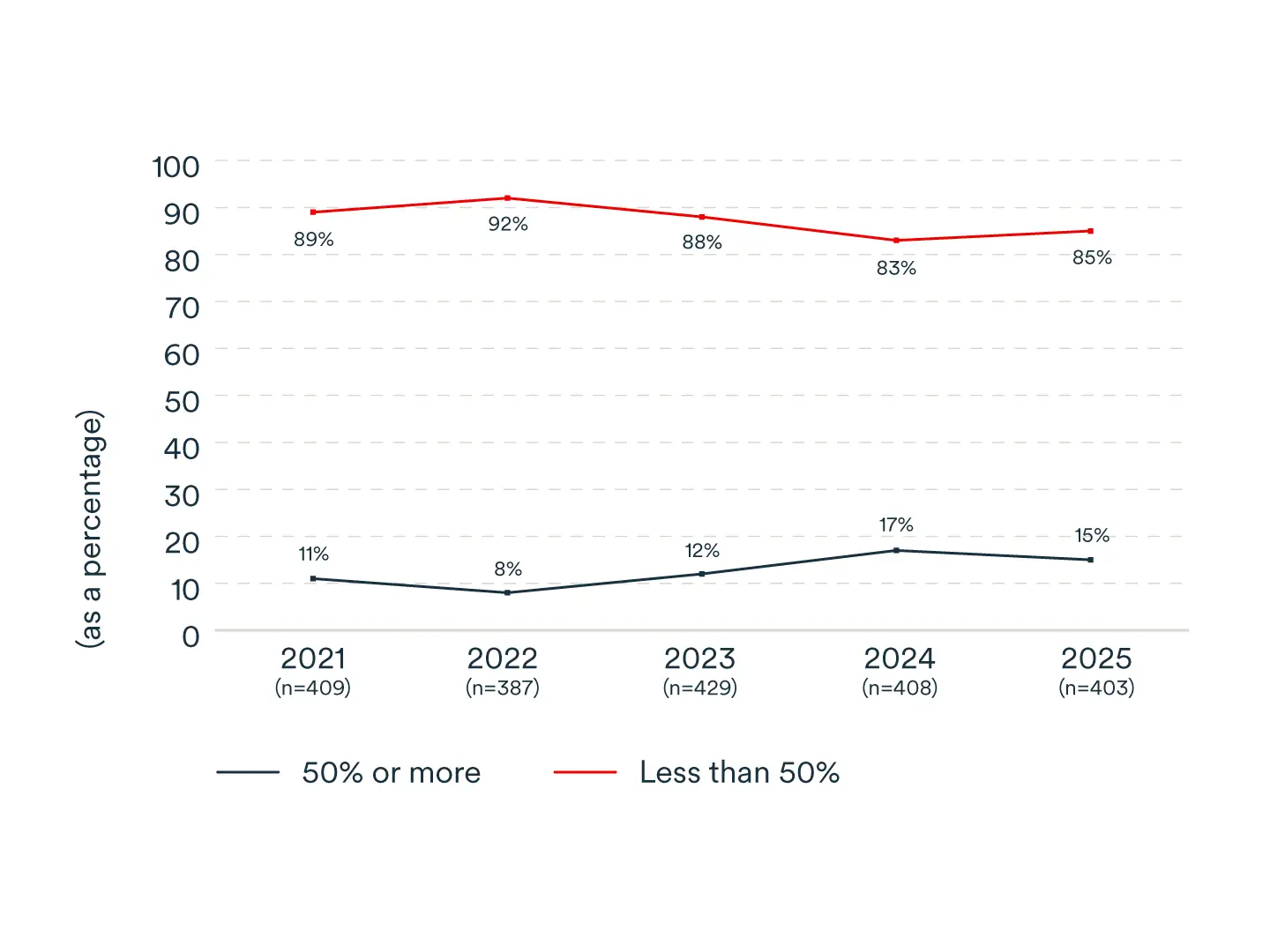
Figure 7: Portfolio companies with 25% or more members of a visible minority on the board of directors (2021-2025)
ESG metrics in Canada’s VC/PE ecosystem
Governance sets the pace for ESG adoption for GPs
Among all ESG measures captured in this year’s survey, governance practices showed the strongest signs of maturity and momentum.
Governance remains the most mature area of ESG adoption. Two-thirds of GPs (66%) reported integrating ESG considerations into due diligence, while 59% have adopted whistleblower protections and assigned ESG oversight responsibilities. Together, these findings suggest ESG is becoming more firmly embedded in investment processes.
The findings suggest investor expectations are helping accelerate the integration of ESG into investment and portfolio-management practices. As governance expectations become more common, ESG considerations are increasingly being integrated into how investments are made and managed.
Figure 8: GPs that have a whistleblower policy and/or protection (2022-2025)
Cybersecurity has become a core governance priority
Among portfolio companies, 91% reported having procedures in place to address cybersecurity and data privacy risks, and nearly two-thirds (64%) reported cybersecurity incidents to their boards.
At the GP level, the share of respondents with actively monitored cybersecurity and data privacy risk-management systems has increased steadily since 2022. Together, these findings suggest that cybersecurity is becoming more deeply embedded in governance and risk-management practices across the VC/PE ecosystem.
Climate practices lag other ESG measures
Climate-related practices remain less mature than governance and social measures across the venture ecosystem.
Among GPs, 21% reported measuring and reporting greenhouse-gas emissions, while only 6% reported having measurable emissions-reduction targets. The corresponding figures for portfolio companies were 18% and 9%.
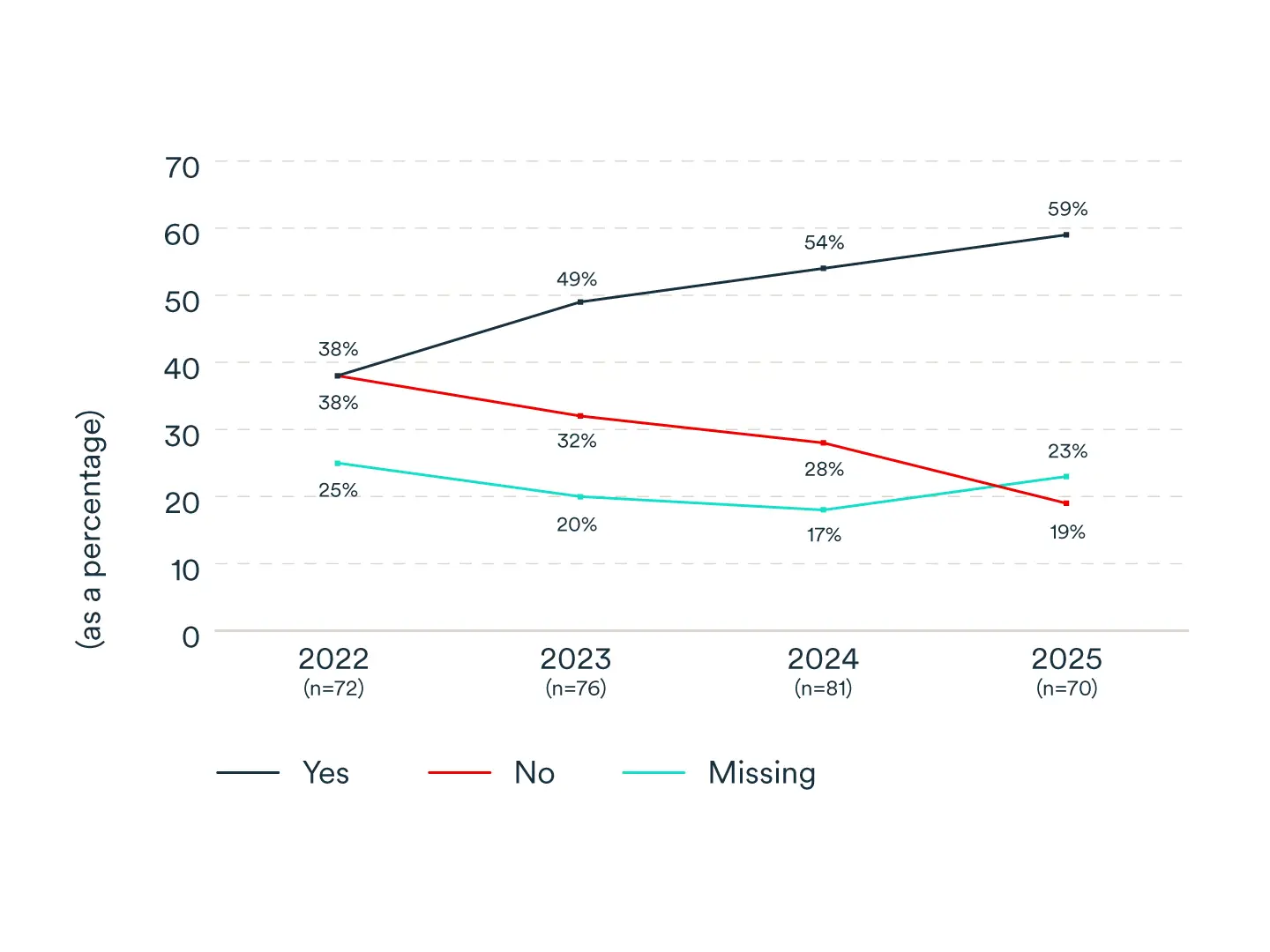
By contrast, some climate-related indicators improved this year: GPs with ESG oversight responsibility assigned to key investment decision-makers steadily increased. Still environmental practices continue to lag more established governance measures.
Figure 9: GPs that have ESG oversight responsibility that lies with key investment decision maker (2022-2025)
Turning insights into action
Five years of data provide a clearer view of how DEI and ESG practices are evolving across Canada’s VC/PE ecosystem. The benchmark supports more informed conversations and greater transparency, while helping the industry better understand both the progress achieved and the gaps that remain.
Why does this matter? As companies grow, attract new investors and respond to evolving stakeholder expectations, ESG and DEI considerations play a larger role in long-term success. Firms that embed these practices into investment and portfolio management can strengthen governance, improve decision-making and better manage environmental and social risks and opportunities.
Encouragingly, the results show that ESG considerations are becoming more integrated into investment and business decisions, particularly in governance. At the same time, important challenges remain: climate-related practices continue to lag behind governance measures, representation in leadership and investment roles remains uneven and participation rates still affect the strength of industry benchmarks.
Ultimately, the value of this work goes beyond tracking trends. In light of these results, BDC Capital will focus on three priorities:
- Making it easier to participate by simplifying data collection and reducing the reporting burden for GPs and portfolio companies.
- Providing practical ESG and climate resources that help GPs integrate these considerations into due diligence, governance and portfolio management.
- Supporting greater representation in investment decision-making roles by engaging with GPs to push for more diversity at critical levels.
By helping firms turn insight into action, we can build a stronger, more competitive VC/PE ecosystem that is better equipped for today and tomorrow.